
Innovative New Project Aims to Provide RAPID Linkage Between the Emergency Department and Follow-up HIV Care
Individuals who are HIV-negative but at risk for infection are likely to face many of the same social determinants of health as their HIV-positive counterparts. Housing instability, food insecurity and transportation barriers can complicate discharge planning, cause interruptions in access to medication, or interfere with follow-up care.
For at-risk, HIV-negative individuals, pre-exposure prophylaxis, or PrEP, a medication taken to prevent getting the virus from sex or injection drug use, can be life changing. A recently launched program is connecting high-risk individuals treated in the emergency department with HIV prevention medication and resources, and planning seamless follow-up care in a supportive, non-judgmental environment.
A missed opportunity for HIV prevention
Emergency departments represent an untapped opportunity for intervention with patients at risk for HIV, where prevention measures like PrEP could be initiated. But despite this potential, less than one percent of emergency department patients are tested for HIV,1 and PrEP is not initiated in the emergency department setting.2
Challenged by factors like medical mistrust, stigma, and barriers to follow-up care, approximately 80 percent of emergency department patients with sexually transmitted infections fail to return for recommended care.3
A look at the statistics around HIV testing and treatment reveals disparities, increased diagnoses, fragmented care pathways, and missed intervention opportunities:
- In the Tampa-St. Petersburg area, 516 new HIV cases were reported in 2022, reflecting alarming disparities. Black individuals, just 12 percent of the population, account for 33 percent of new infections, while Hispanic/Latinx communities experienced a staggering 62-percent increase in diagnoses since 2019.
- Studies reveal that approximately 7.8 percent of emergency department patients test positive for HIV, with 27 percent previously undiagnosed. Research shows that 34 percent of newly diagnosed HIV patients had visited an emergency department within the previous three years,4 representing missed opportunities for critical intervention.
- PrEP's effectiveness is undeniable. It reduces sexual transmission risk by 99 percent when taken as prescribed,5 yet provider knowledge gaps and workflow constraints limit PrEP prescribing. One study found that among 1,142 emergency department patients with sexually transmitted infections, strong candidates for PrEP, only 1.7 percent received prescriptions.6
- When properly identified and supported with timely intervention, more than two-thirds, or 68.6 percent, of high-risk patients express interest in PrEP.7
Foundation grant enables a RAPID solution
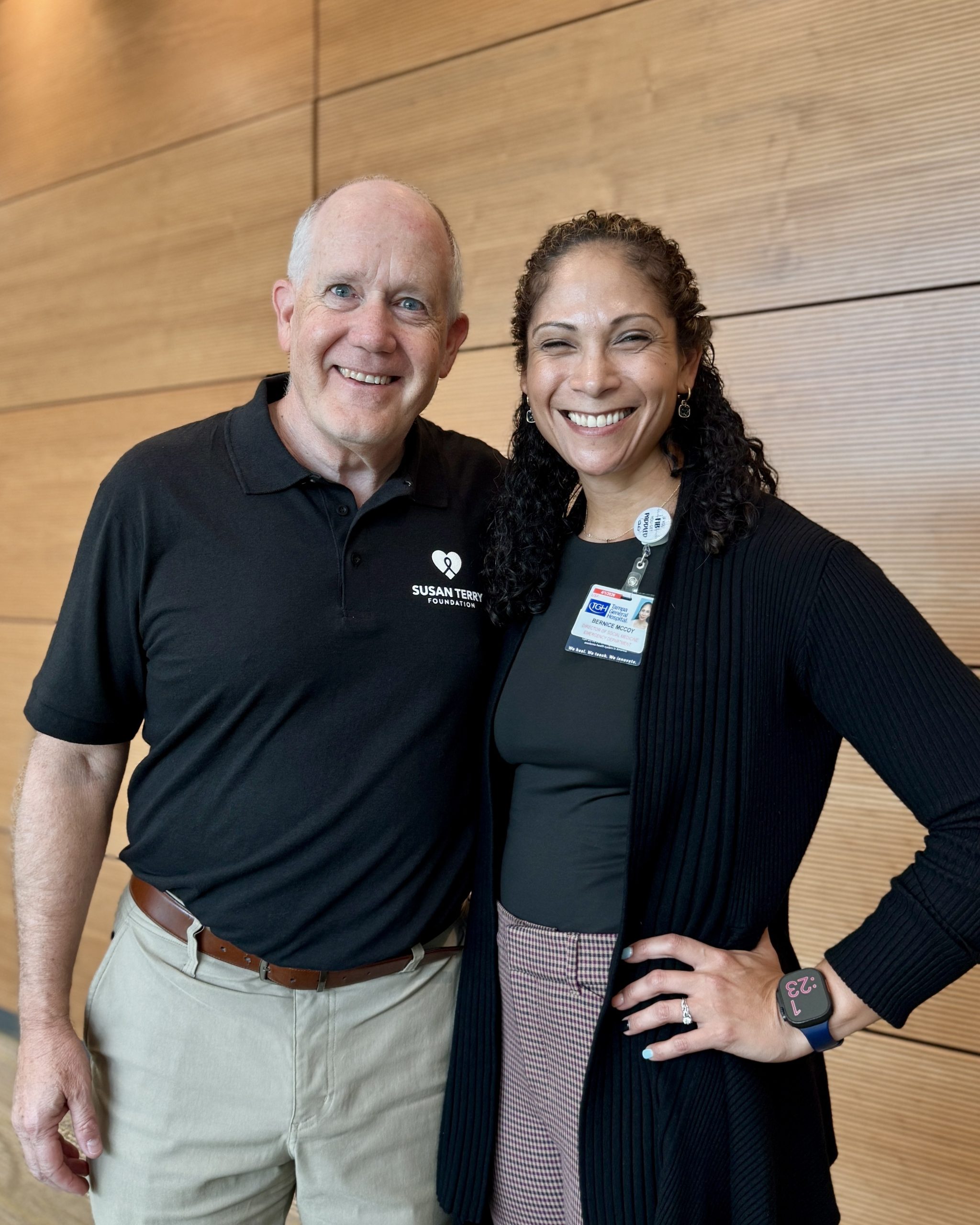
Supported in part by a $25,000 grant from the Susan Terry Foundation, Tampa General Hospital and the University of South Florida Department of Emergency Medicine have launched the RAPID, or Revolutionary Access to PrEP in the ED, project. This evidence-based peer navigator model will establish a Peer PrEP Navigator program within Tampa General’s Emergency Department. Project organizers say RAPID has the potential to provide a seamless care pathway connecting high-risk individuals with HIV prevention resources during, and after, critical healthcare encounters.
Beginning with a December 2025 soft launch prior to full implementation, the 13-month RAPID pilot project combines health informatics technology with a human connection to identify eligible patients, provide education, facilitate PrEP delivery, and link patients to highly personalized follow-up care through USF/TGH clinics and community partners in the region.
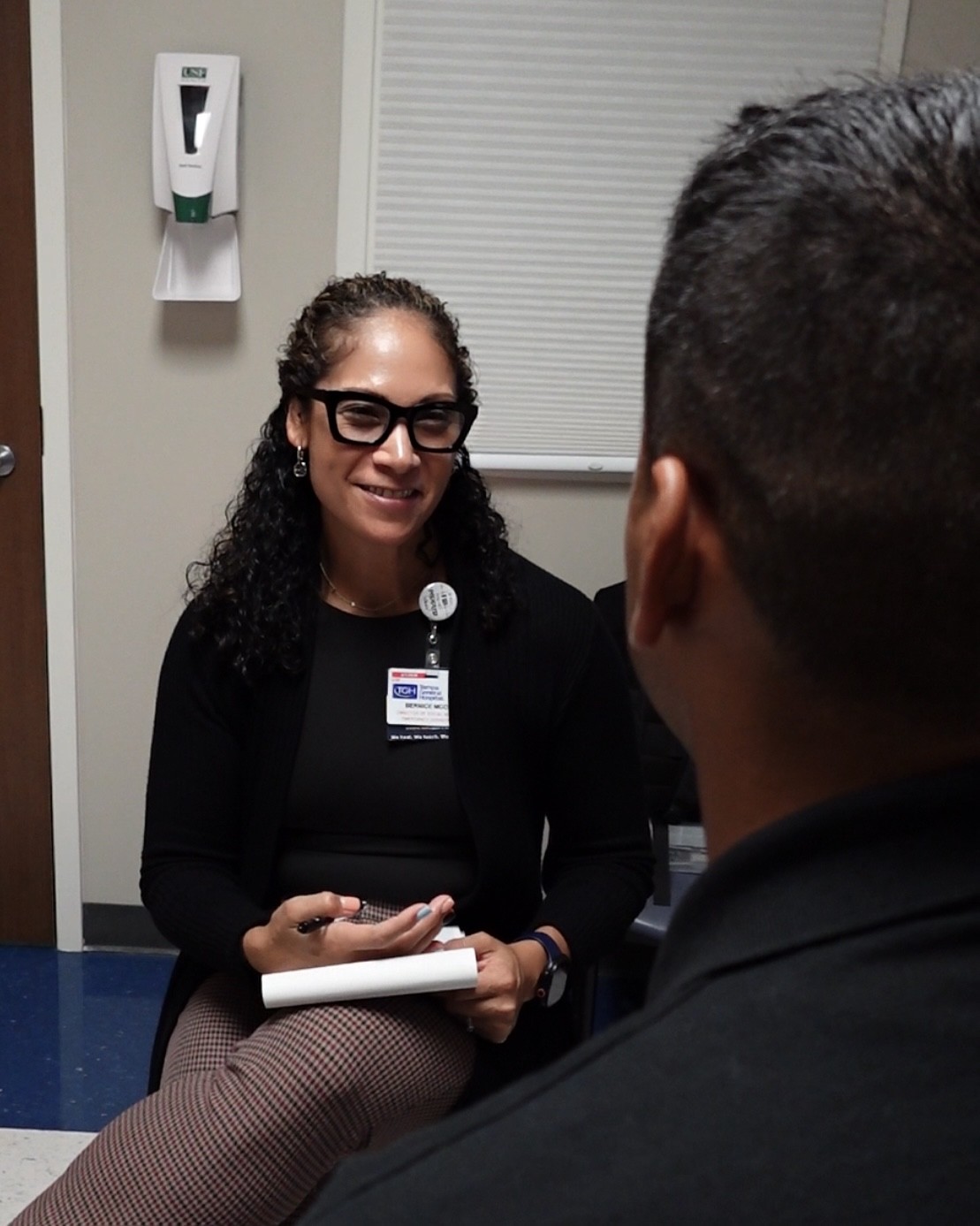
Dr. Bernice McCoy, Assistant Professor in the University of South Florida Department of Emergency Medicine, is the RAPID project director. She’s outlined three primary project outcomes:
- Increased PrEP initiation in the emergency department setting: During the program’s 6-month implementation phase, Dr. McCoy and her colleagues anticipate providing PrEP starter kits to 40-50 high-risk individuals.
- Provide linkage to ongoing PrEP care: Organizers hope to achieve a 60 percent successful linkage-to-care rate within 90 days for patients receiving PrEP starter kits in the emergency department, which would represent a significant improvement over current, commonly fragmented care pathways.
- Enhanced provider knowledge and attitudes: Increasing care providers’ comfort level in discussing PrEP is crucial to the project’s success. Through targeted education efforts and the daily presence of the Peer Navigator in the emergency department, project organizers are working toward a 30-percent increase in provider comfort level.
A combination of quantitative and qualitative evaluation methods will measure the program’s impact.
In describing the RAPID project’s potential, Dr. McCoy said, “The Tampa Bay area’s unique demographic and public health challenges create an environment where innovative prevention strategies aren’t just ‘nice to have,’ they are essential. By implementing this evidence-based peer navigator model, we can significantly enhance access to life-saving prevention services for underserved populations, advance health equity goals, and contribute to the national effort to end the HIV epidemic.”
Dr. McCoy says RAPID is consistent with Tampa General’s integrated, whole-person approach that goes beyond simply treating the virus, and considers the potentially complex matrix of social, medical, and behavioral factors affecting HIV outcomes.
Declines in HIV testing threaten an already-vulnerable community
The HIV population is underrepresented and particularly vulnerable. Dr. McCoy attributes the recent drop in HIV testing to several factors, including co-existing medical conditions, HIV stigma, and lack of technology or transportation, saying, “EDs are the prime locations for engaging and educating this patient population, but we’ve seen huge declines in our testing numbers over the past several months. So we're seeing less and less of the population that actually needs PrEP coming in to get screened for HIV.” She’s also deeply concerned about the recent dramatic cut in US funding for global HIV programs, which has already led to declines in testing and treatment starts in several countries.
Certain aspects of the current political climate and policies related to immigration enforcement, criminalization and surveillance, have also had a chilling effect on HIV testing in vulnerable communities already wary of healthcare and governmental systems.
How does the RAPID project work?
In describing the RAPID project’s potential, Dr. McCoy said, “The project will create unprecedented access to PrEP in the emergency department. It will fill the existing gap, provide care for individuals who are at risk for HIV, and provide education and a care pathway that is currently non-existent in our emergency department. It will truly create the opportunity to prevent future cases of HIV in the Tampa Bay Metropolitan area.”
To meet its objectives, RAPID will identify patients by combining the latest health informatics methodologies with hands-on, face-to-face human engagement.
Modern emergency departments use digital trackboards to manage patient flow from arrival to discharge. They act as central information hubs, communicating critical patient-specific information like test results or pending orders, and providing real-time updates. In the RAPID program, a full-time Peer PrEP Navigator conducts real-time trackboard screening, reviewing active emergency department patients based on their age, chief complaint, STI history, and other chart indicators. When the navigator identifies an eligible patient, they provide education, facilitate bedside delivery of a PrEP starter kit, and coordinate ongoing care.
Research shows that peer navigators with shared lived experiences outperform the standard care model in linking patients with effective follow-up care. Navigators have the ability to build trust with patients and bridge communication gaps in a supportive, judgment-free zone. In a community where cultural barriers contribute heavily to new HIV cases among youth and minorities, this approach is particularly vital.
Pointing to successful models from New York and San Francisco, Dr. McCoy says the innovative combination of EMR-integrated screening and dedicated peer navigation services has the potential to transform approaches to HIV prevention while generating valuable implementation data that can inform similar efforts by providers across Florida and beyond.
Taylor Solarski is the RAPID project’s Peer PrEP Navigator. With a master’s degree in public health from USF and international experience, Taylor is well equipped to provide intensive case management for clients newly diagnosed or non-adherent to care, and work toward getting them back on appropriate HIV care pathways. She plans to work varying day and night shifts to identify and engage with potential RAPID clients as they are treated in Tampa General’s emergency department.
Motivated by a self-described “insane passion” for this field, Taylor has spent her entire professional career working in HIV care in the United States and East Africa. Here in Tampa Bay, she’s done rapid HIV testing and PrEP initiation with Pinellas County’s Health Care for the Homeless program, building rapport with clients facing a variety of barriers and vulnerabilities, from opportunistic infections like pneumocystis pneumonia, or PCP, and tuberculosis, to depression and other potentially stigmatizing mental health concerns. Her work in Uganda, as a community health educator with an NGO called the Goshen Humanitarian Organization, has given her first-hand experience with women and children impacted by HIV in desperately underprivileged communities.
Her new role with the RAPID project resonates with Taylor’s belief that you can’t address clients’ medical issues without also confronting underlying social factors like lack of health insurance and misperceptions about the availability of medical care. For example, she says many uninsured or underinsured clients don’t seek medication because they don’t realize they can be treated under the national Health Resources and Services Administration’s Ryan White HIV/AIDS Program.
“HIV is 100-percent preventable, but many clients don’t follow up with their care. So, with the peer navigator role in place, being able to meet those clients where they are in the emergency department and initiating PrEP right there at bedside is going to change lives,” Taylor explains. She says her honest, plainspoken approach helps clients recognize their level of risk, and open up to talk about their concerns without feeling stigmatized or judged. The same clients, she says, are often reluctant to share any information with a doctor.
“The RAPID project will create unprecedented access to PrEP in the emergency department, filling the gap and providing care, not only for individuals who are at risk for HIV, but also providing education and a pathway that is currently non-existent in our emergency department, and truly creating the opportunity to prevent future cases of HIV in the larger Hillsborough County - Tampa Bay Metropolitan area.”
Bernice McCoy, PhD, MPHAssistant Professor, Division of Emergency Medicine, University of South Florida
RAPID Project Director
Providing red-carpet linkage
People visit emergency departments with a diverse range of needs and unique circumstances, requiring systems flexible enough to accommodate them while consistently producing the best possible outcomes. Dr. McCoy emphasizes the importance of treating patients as individuals, just as in any other aspect of healthcare.
“Patients are likely to have co-existing conditions, socioeconomic factors, and contributing issues. They may lack insurance or have some other structural determinant like a transportation challenge or the lack of a mobile phone. With the RAPID program, this personalized care is embedded in an emergency department that very much values social medicine,” she says, likening the RAPID project’s on-site peer navigator protocol to a red-carpet experience, in which patients’ individual concerns are addressed, anticipated gaps in follow-up care are closed, and a seamless continuation of care is provided through partner agencies like Tampa-based CAN Community Health and others.
“No matter your status,” Dr. McCoy said, “You should have the opportunity to choose your type of care. By making this pathway a standard of HIV care, we can make the most of the limited prevention dollars we have, and healthcare systems will see this as a worthwhile investment. I know this is going to be the foundation for something a lot bigger.”
About the Susan Terry Foundation
The Susan Terry Foundation, a 501c3 charitable organization, was established in 2024 to honor the life of the visionary leader and fearless advocate who founded CAN Community Health. With a mission to support communities affected by HIV, the Foundation advances prevention, education and care. Dedicated to knocking down the socioeconomic, educational and bureaucratic barriers faced by those living with HIV, the Foundation envisions a future where they are celebrated for their resilience, embraced without prejudice, and empowered to achieve their dreams.
Through its community-focused Grant Program, the Susan Terry Foundation supports mission-aligned opportunities and initiatives by individuals, organizations and research teams in the Tampa Bay region. To learn more, visit Learn more.
References
- AIDSMap 2023: Less than 1% in U.S. emergency departments are tested for HIV.
- Jackson et al. (2018) A systematic review of HIV pre-exposure prophylaxis implementation in US emergency departments.
- McLaughlin et al. (2022). Follow-up care after ED STI diagnosis.
- Jenkins et al. (2006). ED encounters in patients with HIV diagnosis.
- HIV.gov (2024) Pre-exposure prophylaxis.
- Pitts et al. (2018). ED provider practices in PrEP prescribing.
- Loma Linda University (2023). Federal grant to house HIV prevention and care program in emergency department.