
A Prescription for Healthier Communities
In a role that has expanded well beyond counting pills and dispensing medications, pharmacists occupy an important space on the front lines of the battle against HIV and other sexually transmitted infections. In-depth knowledge and accessibility allow them to keep up with advancements in testing and treatment, provide accurate information to help people understand the medications they’re taking, and help vulnerable patients manage barriers that could divert them from care pathways. Their daily efforts empower individuals to make good health decisions and support long-term disease prevention and management.
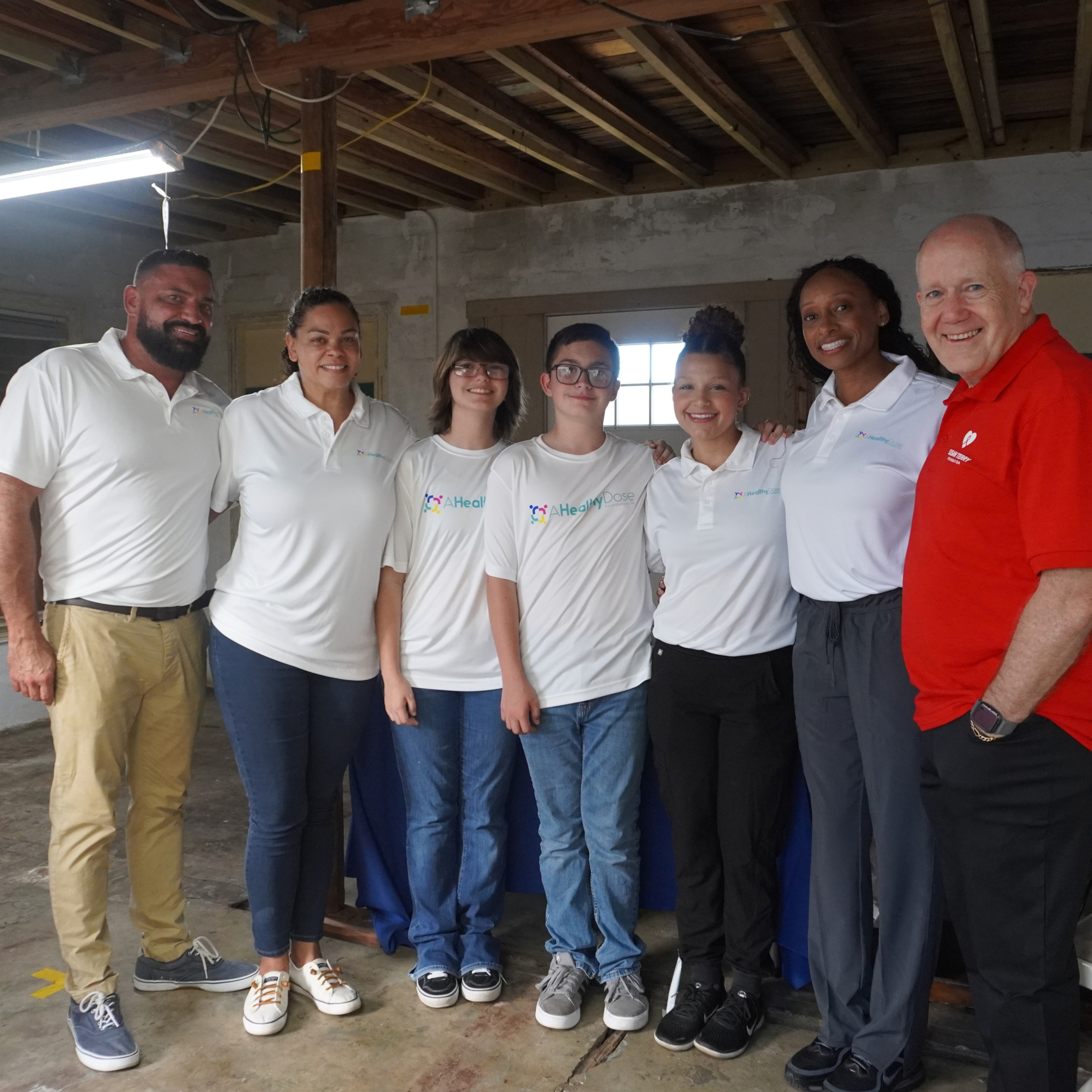
Supported by a $20,000 grant from the Susan Terry Foundation, the St. Petersburg-based A Healthy Dose Foundation (AHDF) is in the early stages of a pharmacist-led community outreach program designed to address persistent gaps in preventive healthcare services among underserved, high-risk communities in Hillsborough, Pinellas and Pasco Counties.
From the Potomac to Pinellas, one pharmacist’s journey
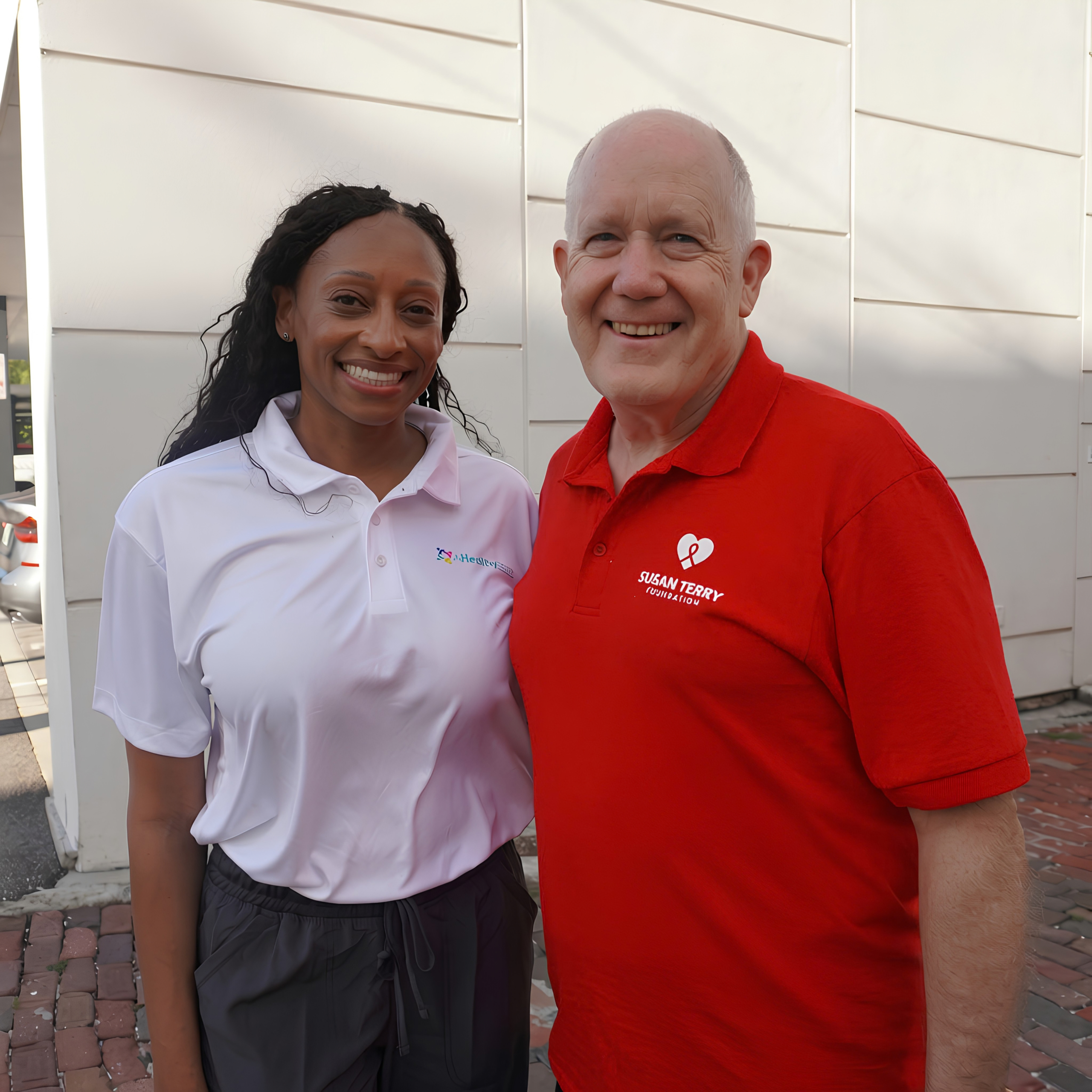
Dr. Brittney Roy believes in the power of pharmacists to fundamentally change health outcomes through prevention and education. Roy is president of AHDF, a nonprofit she formed in 2023 to bring pharmacists to the forefront of public health in the Tampa Bay region.
Raised in Miami, Roy completed her undergraduate studies at the University of Florida, and earned a Doctor of Pharmacy degree at Howard University in Washington, D.C. She also holds the HIV Pharmacist™ credential from the American Academy of HIV Medicine. Roy began her career in the District, where the rate of new HIV diagnoses is the highest in the United States, and Black and Latinx communities carry the burden disproportionately.
Roy participated in a variety of community outreach programs in the Washington Metropolitan Area. This work informed her understanding of the barriers many patients face, which can include housing or employment instability, limited clinic hours, lack of transportation, or lack of access to technologies like internet connectivity and smart phones that facilitate telehealth services. Some patients are challenged with substance use or mental health disorders. Any of these factors can cause individuals to stray from care pathways and confound public health efforts to test, treat and monitor patients.
Emphasizing the need for the healthcare industry to take a whole-patient approach to reducing the spread of HIV, Roy says, “Many people don’t receive care because of barriers that have nothing to do with medicine. This population is made up of individuals who may not have stable housing or may find themselves between jobs and unsure of their insurance status.”
Now, with a program called Beyond the Clinic: A Community-Embedded Model for Testing and Prevention, Roy is taking what she learned in DC and Virginia, and applying it here in Tampa Bay, where Hillsborough and Pinellas Counties have had similarly high HIV transmission rates, and are designated as priority areas under the national Ending the HIV Epidemic initiative.
Pasco County also faces an elevated risk for HIV transmission due to its rapid population growth and gaps in access to preventive services.
AHDF operates a small brick-and-mortar clinic in St. Pete, where they provide testing and treatment for HIV, hepatitis C and sexually transmitted infections. Their routine community outreach efforts have included partnerships with community organizations and the Pinellas County Health Department’s early detection/prevention program. But, when a portion of the population that needs to be reached is sleeping in cars, homeless encampments or motels, or engaged in sex work to survive, the situation calls for a community-embedded approach that breaks down the social and structural barriers to care and meets people where they are. In other words, to reach a health population this distrustful of traditional healthcare, you must take the services to them.
Community-embedded program will reach high-risk individuals
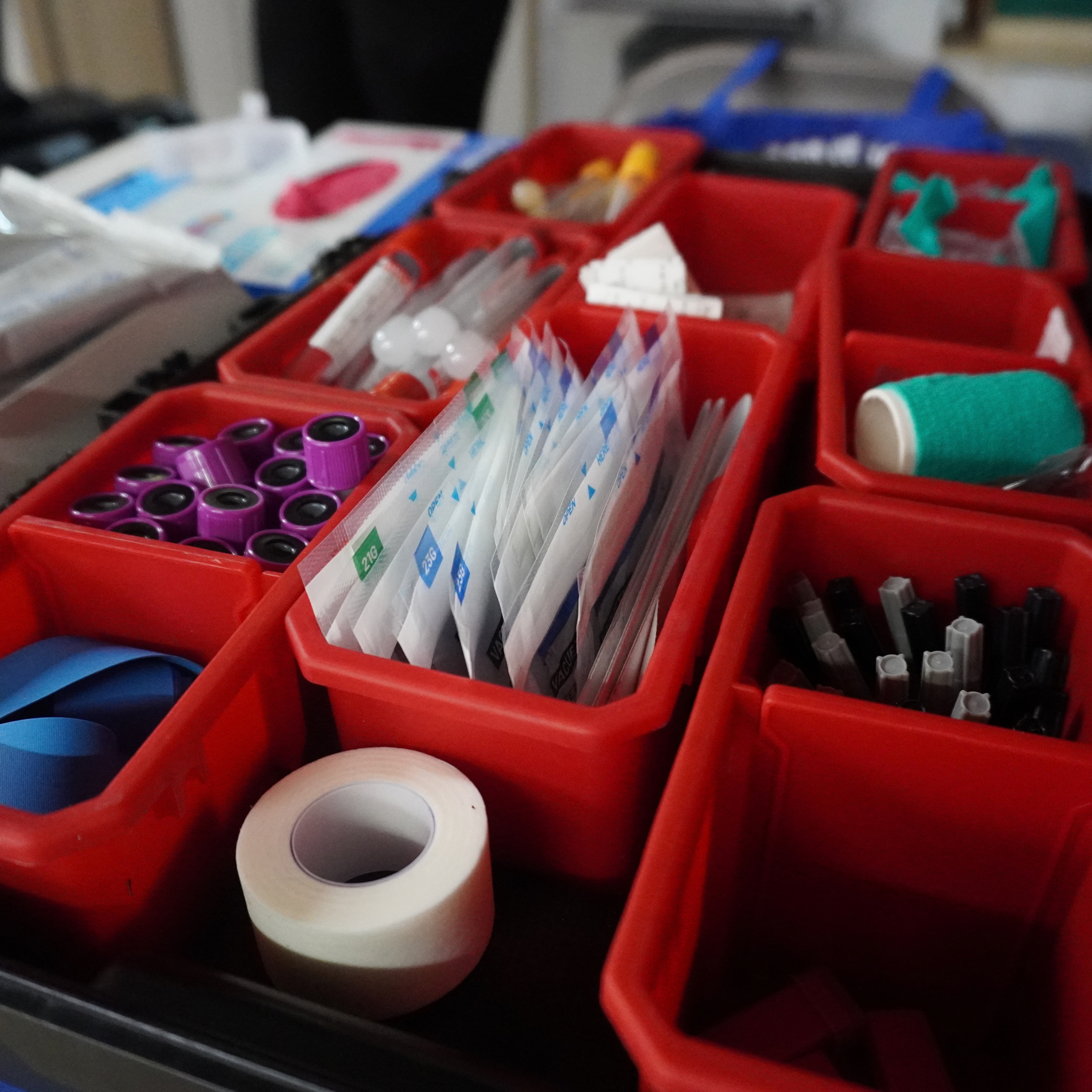
The 12-month project recently launched by AHDF is designed to reach high-risk individuals by providing stigma-free testing and education in non-traditional, non-clinical environments like churches, community health fairs and soup kitchens, and through mobile medical units in all three of the program’s target counties. A multidisciplinary team of trained clinical staff, outreach personnel, and pharmacists will deliver rapid, point-of-care screening services for HIV, hepatitis B, hepatitis C and syphilis, and will initiate treatment or referrals for all individuals with reactive results.
The established goals for Beyond the Clinic are aligned with long-term objectives to improve access to care, support patients’ adherence to prevention or treatment plans, and reduce health disparities:
- Expand access to preventive healthcare services for underserved and high-risk populations. By reaching people in unconventional settings like parks, churches and motels, AHDF plans to screen at least 40 individuals per month for HIV, for a total of 480 people over the 12-month project timeline. Routine screenings will also be conducted for hepatitis B, hepatitis C and syphilis. Because this population is so highly mistrustful of traditional healthcare, it’s likely that some individuals can only be reached in such unconventional settings.
- Improve early detection. Early detection and initiation of preventive services are the keys to lowering infection rates. In addition to screening services, the project will provide timely initiation of pre-exposure prophylaxis (PrEP). Toward this goal, the project will start at least eight individuals per month on PrEP, for a total of 96 annually. Individuals with reactive or high-risk screening results will be provided with same-day or rapid linkage to prevention or treatment services.
- Strengthen linkage to care and continuity of services. The project aims to provide care coordination and navigation support to at least 90 percent of individuals with reactive test results, linking them to appropriate care, treatment or specialist services. In this context, navigation support can include appointment scheduling, follow-up communication and referral management.
- Improve regional health equity and reduce health disparities. By prioritizing outreach in high-need and underserved communities in the Tampa Bay region, AHDF will be focusing their outreach efforts on high-risk individuals with limited access to traditional healthcare services. Through culturally competent, trauma-informed education and counseling, the project aims to increase awareness and utilization of the preventive services crucial to bringing HIV infection rates down.
- Monitor performance and drive improvement. Key performance indicators like the number of people screened, positivity rates, PrEP initiations, and linkage-to-care outcomes will be tracked and reported. High-quality data will be used to refine outreach strategies and logistics, optimize service delivery, and improve the program’s overall efficiency.
Early intervention can reduce a “ripple effect”

Early intervention begins with a robust testing program and follows through with referrals to treatment and patient navigation support to be sure patients adhere to prescribed treatment pathways.
The process commonly begins with rapid testing. “Rapid” tests are among the most effective early intervention tools used by public health officials to slow the rate of HIV transmission. Also referred to as point-of-care tests, they can be conducted in community settings without the need to send a sample to a laboratory or use specialized lab equipment. They use a tiny sample of blood or a swab of oral fluid and are called “rapid” tests because the results can usually be given within a few minutes as they detect HIV antibodies (the proteins your body creates to fight the virus). The tests aren’t foolproof and require a waiting period of typically 23 to 90 days after potential exposure for the body to build enough antibodies to be detected. A reactive, or preliminary positive, result will then require a follow-up test at a clinic to confirm the presence of HIV infection.
Pharmacists and other healthcare professionals stress the importance of early intervention because they recognize how each missed screening opportunity can create a “ripple effect,” leading to advanced disease, additional illnesses, poor patient outcomes and, ultimately, higher healthcare expenditures for entire communities.
Roy described it this way: “When you miss that opportunity for screening, which can be a simple rapid HIV test that only takes about 15 minutes, you miss the opportunity for early detection. Without early detection, a patient may have reached a status where their viral load is very high, and it takes time to bring it down. This gives other co-morbidities the chance to emerge. So now the patient is not only presenting with HIV, but they’re also presenting with something more, like pneumonia, and may require hospitalization. So [missing that early detection] becomes very costly and now you're burdening the Emergency Department for a condition that could have been detected in the primary care setting.”
In treating vulnerable and underserved patient populations, early intervention can also be a critical first step in a whole-patient approach that considers all of a patient’s barriers to care, including help with transportation and nutritional assistance for those facing food insecurity.
“Testing alone does not improve health outcomes,” Roy says, adding, “You need to connect individuals to treatment in a timely manner. Our approach emphasizes linkage to care. We provide the testing, and if individuals need treatment or they are interested in preventative services, as pharmacists in the state of Florida we can initiate PrEP under a physician collaborative practice agreement. And then for treatment, the nurse practitioner or the medical doctor can provide that as soon as possible.”
Ray Carson, executive director of the Susan Terry Foundation, is enthusiastic about supporting the program, saying, “Access to healthcare should not depend on where someone lives, whether they have transportation, or whether they feel comfortable walking into a clinic. Dr. Roy and her team understand the challenges facing many high-risk individuals and are building a model that meets people where they are. We are excited to support efforts that advance health equity and create new pathways to care throughout Tampa Bay.”
Why pharmacists?
With so many different healthcare professionals involved in the effort to reduce the spread of HIV, you might ask: Why pharmacists, and why now? Roy answers with conviction, pointing to 2020 polling indicating that pharmacists are among healthcare’s most trusted professionals, ranking highly for their honesty and ethics, and admirably confronting a wave of misinformation during the COVID-19 pandemic.1
Pharmacists have earned the public’s trust for a variety of reasons. Because they can answer questions and provide practical advice on minor illnesses, they are also among healthcare’s most approachable professionals. According to Roy, pharmacists spend a considerable amount of time educating patients. With deep knowledge and rigorous doctoral training focused heavily on pharmacology, safe dosage and the prevention of dangerous drug interactions, they act as a pharmacological backstop, checking on doctors’ prescriptions to catch potential errors that could lead to adverse reactions with other drugs.
Pharmacists can be very helpful to patients who may feel they are overly pill-burdened, lack an understanding of what each medication does, or fail to recognize the importance of taking their medication as prescribed. They can also help allay patients’ confusion or mitigate misinformation around the availability or effectiveness of new drugs. For example, in HIV prevention, as the Pre-Exposure Prophylaxis (PrEP) option has rapidly evolved from once-daily pills to long-acting injectables that can be taken every other month or twice a year, pharmacists have consistently been a trusted information source. Extended pharmacy hours have created more opportunities for community engagement, and patients have learned they can be seen without scheduling an appointment.2
Roy stresses that her program will ultimately be judged not by the number of people tested, but how well she and the AHDF team use the high-quality data they collect and analyze monthly to improve upon their outreach. In the final analysis, the program’s effectiveness will hinge upon their ability to prevent new infections, improve health outcomes, and ensure more people receive the care they need.
Why pharmacists? With this initiative, Dr. Brittney Roy asks: Why not?
“Many people don’t receive care because of barriers that have nothing to do with medicine. This population is made up of individuals who may not have stable housing or may find themselves between jobs and unsure of their insurance status.”
Brittney Roy, PharmD, AAHIVPFounder & President
A Healthy Dose Foundation
About the Susan Terry Foundation
The Susan Terry Foundation (a 501(c)(3) charitable organization) was established in 2024 to honor the life of the visionary leader and fearless advocate who founded CAN Community Health. With a mission to support communities affected by HIV, the Foundation advances prevention, education and care. Dedicated to knocking down the socioeconomic, educational and bureaucratic barriers faced by those affected by HIV, the Foundation envisions a future where they are celebrated for their resilience, embraced without prejudice, and empowered to achieve their dreams.
Through its community-focused Grant Program, the Susan Terry Foundation supports mission-aligned opportunities and initiatives by individuals, organizations and research teams in the Tampa Bay region.
References
- U.S. Ethics Ratings Rise for Medical Workers and Teachers, Gallup, December 22, 2020.
- Pharmacist-Initiated PrEP and PEP (PDF), NASTAD.